
Temperature follows the shift.
Inspect the comparison behind the hypothesis. A relationship suggests a check; it does not prove the cause.
AI INVESTIGATIONS
AI compares your test results, investigates possible causes, and shows the evidence so your team can decide what to check next.
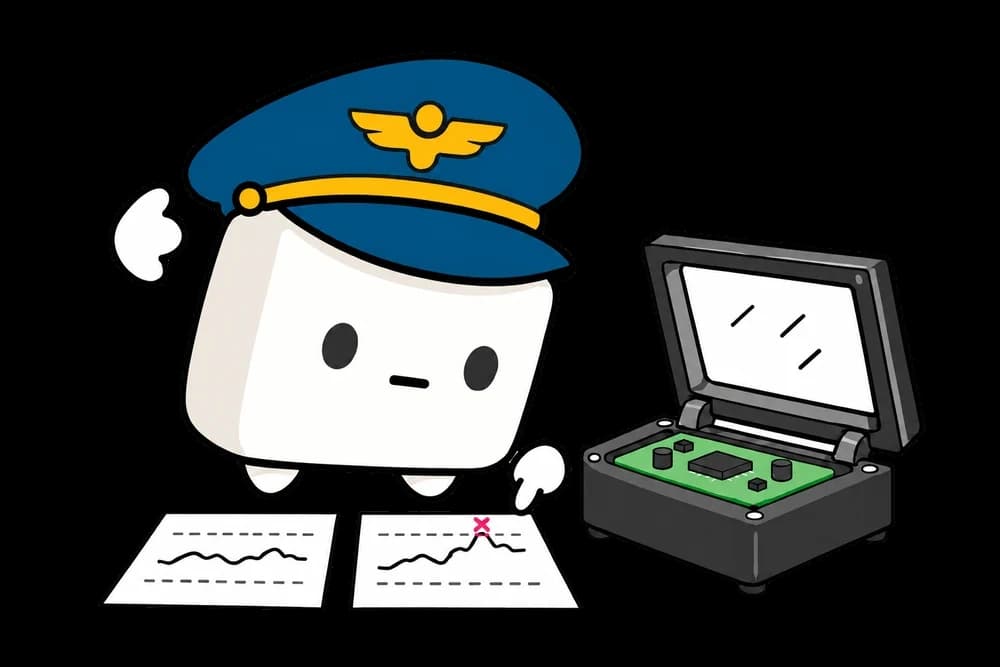
FOLLOW THE EVIDENCE
Choose the scope, inspect a hypothesis, open its evidence, and decide which test could confirm it.
The production investigation inherits the alert’s scope, time span, and drifting measurement. Explore subsets of this example to see why the comparison matters.
Temperature also changed: 24.2°C → 34.4°C. That is a hypothesis to examine, not yet a cause.
EVIDENCE + UNCERTAINTY
Start from a yield drop or a drifting measurement. Compare stations, lots, versions and other recorded context; keep missing evidence visible.
Inspect the comparison behind the hypothesis. A relationship suggests a check; it does not prove the cause.
Add lot data and an independent reference reading to separate competing explanations.
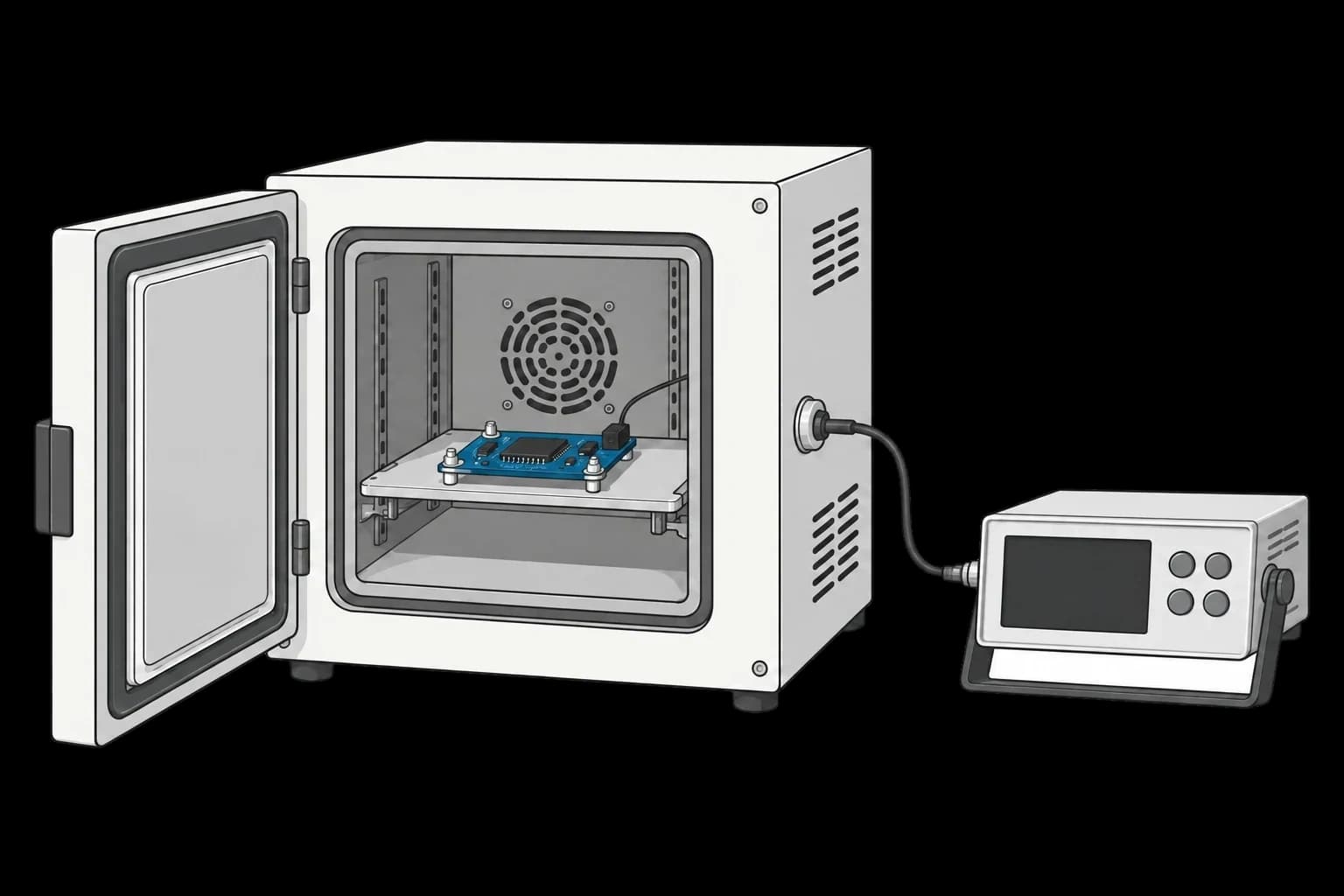
HAND OFF THE NEXT CHECK
Share the result with its alert context. Separate the confirming hardware test from the extra data the analysis needs.
A result can identify probable or interacting causes, remain inconclusive, or report insufficient data. Missing metadata stays visible.
Each analysis respects the initiating person’s role and access group. Teammates can read the shared result and launch their own analysis to inspect detailed evidence. Re-running replaces the latest analysis.